article · Kitchen & bath
A bathroom vanity approval sheet that includes the everyday details
Start a vanity approval sheet with the actual basin and faucet models, their installation information and the cabinet configuration. Identify who is supplying each item and when the fabricator can inspect it. A description such as white basin with a black tap does not resolve mounting details or the way the fixtures will meet the stone. Include a dated elevation or sketch that the owner understands, but ask the trades to state which technical details still require assessment before templating or drilling can be authorized.
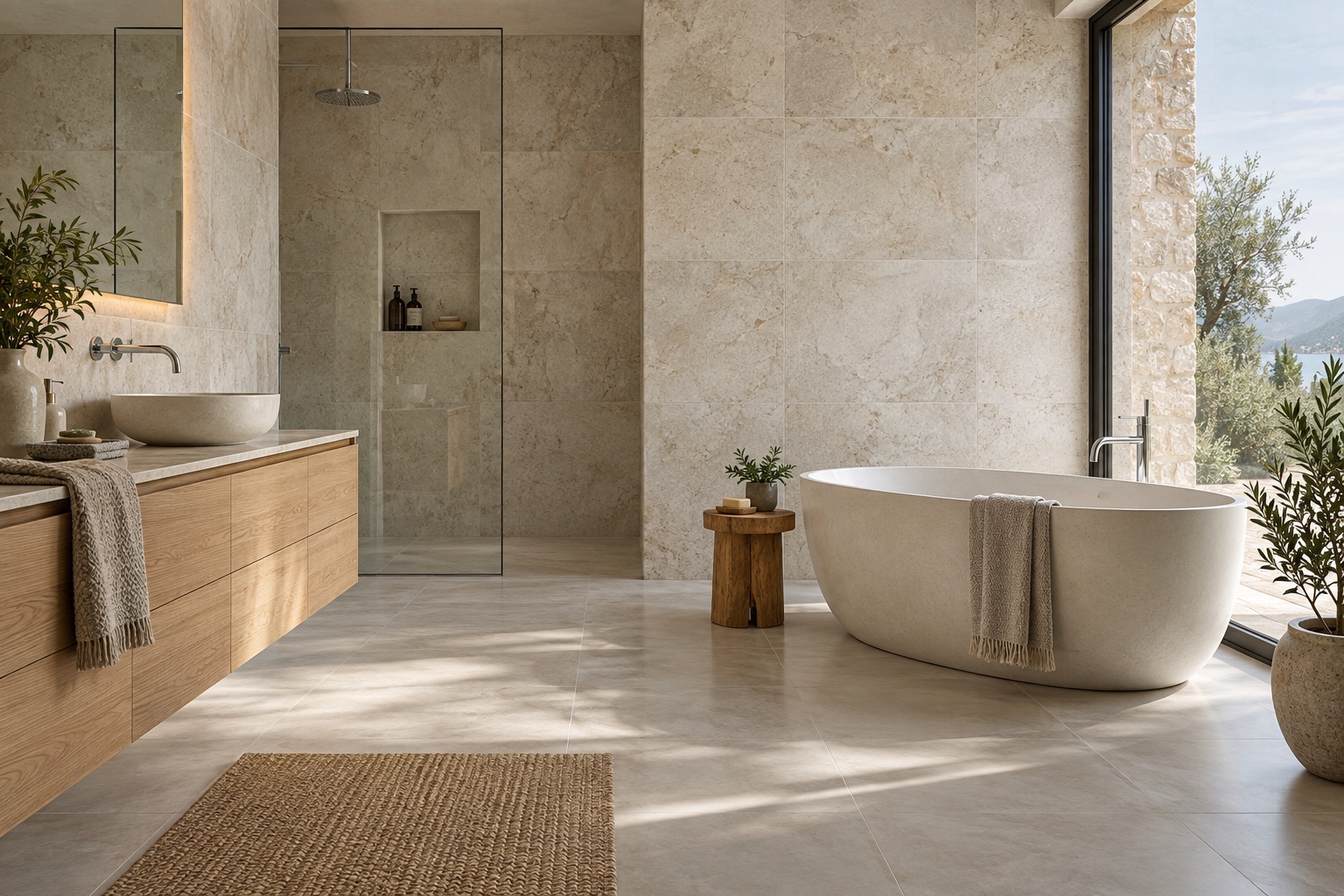
Record the fixture combination as one decision
Start a vanity approval sheet with the actual basin and faucet models, their installation information and the cabinet configuration. Identify who is supplying each item and when the fabricator can inspect it. A description such as white basin with a black tap does not resolve mounting details or the way the fixtures will meet the stone. Include a dated elevation or sketch that the owner understands, but ask the trades to state which technical details still require assessment before templating or drilling can be authorized.
Describe the space the household wants to retain for daily use. An owner may care more about a clear landing beside the basin than about centering the basin on a decorative door panel. Ask where soap, toothbrushes and toiletries will live, and make any requested accessory holes explicit. If the room is shared, show the proposed arrangement to the people who will use it rather than relying only on the renovation decision maker. The aim is a usable approval conversation, not a universal formula for how every bathroom vanity must be arranged.
Resolve the interfaces while the drawing is reversible
Identify how the top will meet the wall, mirror, cabinet end panels and adjacent storage. Write down whether there is an upstand, a separate backsplash or a flush wall treatment, and who is responsible for the joint presentation. Discuss the side of the vanity that remains visible when the door is open. A finish approved only from the front may leave a conspicuous edge unresolved. Ask for an actual edge sample or a clearly labeled drawing rather than assuming a photograph of another room establishes the intended detail.
Where a vanity sits beside a shower screen or a wet wall, have the responsible trades explain the boundary between their work. Record the sequence for measuring, installing and protecting those surfaces. Do not treat the countertop approval as approval of a shower membrane or drainage assembly. TCNA's material compatibility guidance is relevant to the wet construction, while the stone fabricator's specification governs its own pieces. A single coordinated sheet can identify both scopes without pretending they are the same system or assigning one trade responsibility it has not accepted.
Leave the homeowner with a usable handoff
Set aside a section for the care document that matches the approved stone and finish. List the location of the document and the person who will explain it when the bathroom returns to use. If the owner expects a treatment to prevent every cosmetic mark, ask the supplier to correct that expectation in writing. Record any proposed follow-up service separately from the ordinary daily routine. This makes it possible to compare the purchase with the household's actual willingness to maintain the surface rather than approving care as an invisible afterthought.
At completion, compare the installed fixtures and edges with the final approval revision and note any open work. Include an accessible contact route for a question about the top, another for plumbing where relevant, and the agreed process for reporting a concern. Keep the categories separate so a dripping connection is not filed merely as a stone appearance issue. The sheet supports a shared description of the project; it is not a warranty extension or a certification of waterproofing. Its value comes from keeping the owner, supplier and installer informed about the same specific bathroom.
Sources
- Installation standards for countertop fabricators Natural Stone Institute
- Showers: membrane and backing compatibility Tile Council of North America
- Care and cleaning of natural stone Natural Stone Institute